What you need to know
- Cost per lead tells you what an enquiry cost, not what a completed job cost.
- A booking, quote, completed job and payment are different events.
- Open and unmatched records should stay visible instead of being called wins or losses.
- Start with one recent period and one service type before building a large report.
What is cost per completed job?
Cost per completed job is the marketing cost for a group of enquiries divided by the jobs from that group that were actually completed. Cost per paid job goes one step further. It counts only completed work with a confirmed payment state.
This sounds simple, but the records must describe the same group of people and the same time window. A click this week may become a job later. A phone call and a form from the same household may be one opportunity, not two.
What would this look like in an electrical business?
Imagine an electrical business that gets calls from Google, local flyers and referrals. The ad report counts a lead as soon as a person calls or sends a form. The office then decides whether the request is in the service area, books a visit, sends a quote when needed and records the job result.
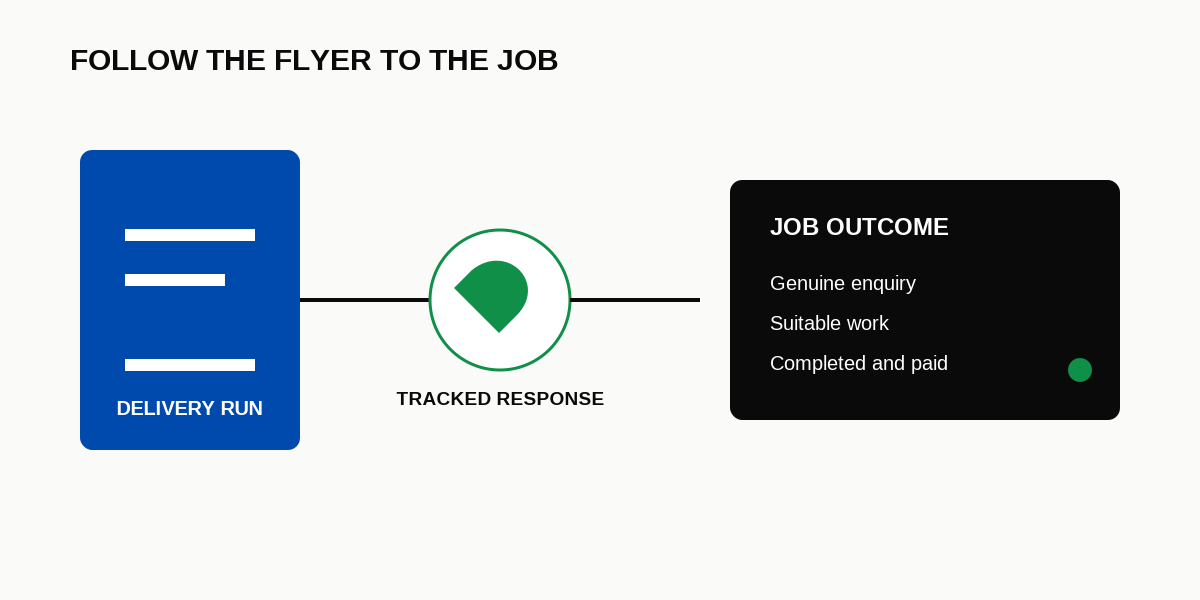
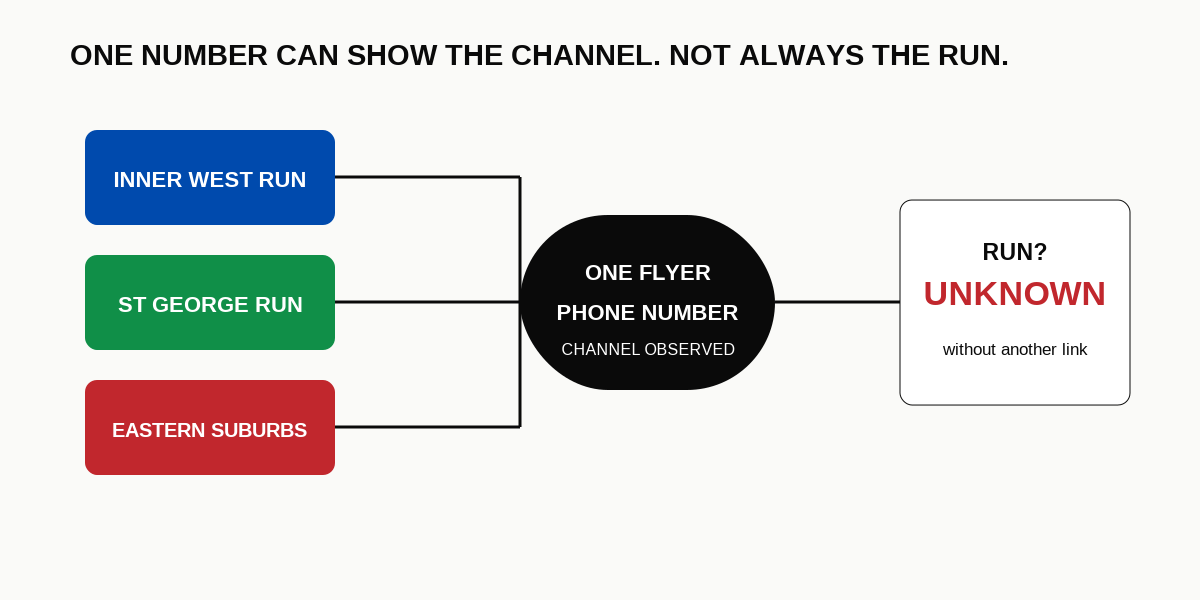
The owner should not compare the ad lead total with every job created that month. The useful path follows the same enquiry from its observed source to the job record. If the link is missing, the result is unknown. That is a data gap to fix, not permission to guess.
| Stage | Evidence | What it does not prove |
|---|---|---|
| Lead or enquiry | A genuine call, form or message | That the work fits or will be bought |
| Booked visit | A job or appointment record | That a quote was accepted |
| Completed job | A completed work status | That payment was received |
| Paid job | A reconciled payment state | That the job was profitable |
Why can the lowest cost per lead be the wrong winner?
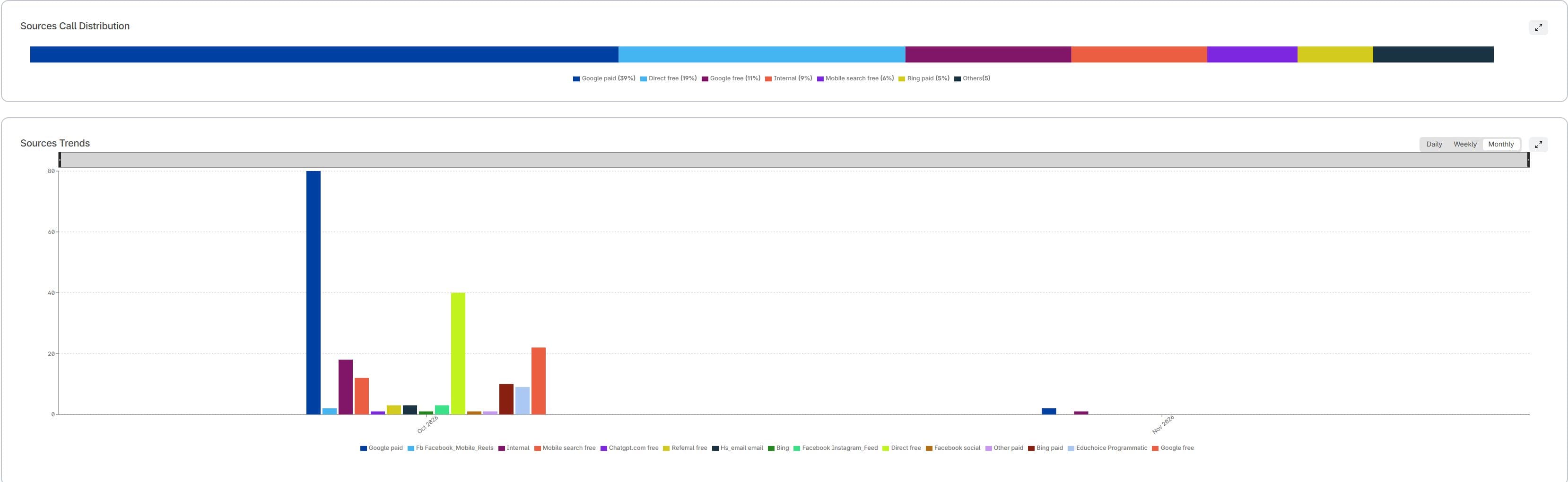
A source can look cheap because it creates many early contacts. It may still produce work outside the service area, small jobs the team does not want, duplicate contacts or people who never book. Another source may create fewer enquiries but more suitable, completed work.
This does not prove the second source is better. Delivery cost, job margin and team capacity still matter. It only shows why a lead count cannot finish the decision.
How can you check it step by step?
Choose a small group of recent enquiries that has had enough time to reach an outcome. Then work through the records in order.
- Write the source only where it was observed.
- Mark whether the request was genuine and suitable.
- Find the booking, quote and job record for the same request.
- Confirm whether the job was completed and paid.
- Keep open, duplicate and unmatched records in their own groups.
- Divide the marketing cost by the supported completed or paid jobs.
- Review job value, delivery cost and capacity before changing spend.
What should happen after the check?
The first action may be better source tracking, a cleaner job status, a missed-call process or feedback to the marketing team. Do not jump to a new campaign until you know which part of the path is unclear.
Gibson can help close the gaps between available call, form and job records. Your business and marketing team keep control of the ads and budgets.
Frequently asked questions
Is cost per lead still useful?
Yes. It shows the cost of creating an enquiry. Use it with later outcomes so it is not mistaken for the cost of winning and completing work.
Should an accepted quote count as a completed job?
No. Accepted, completed and paid are separate states. Report the state your records can support.
What if the source is missing?
Keep it as unknown and find where the source was lost. Do not assign it to a channel without evidence.
Can this data be sent back to Google Ads?
Sometimes. The identifiers, consent, conversion design and current Google implementation rules must be checked first. A successful import is not proof that ads improved.
Sources and evidence
- Google Ads: value-based bidding best practices: Google explains that conversion values should reflect what outcomes are worth to the business and that offline outcomes can be fed back where the setup supports it.
- Google Ads: manage offline conversions: Google documents how an online ad interaction may be connected to a later offline outcome. A successful upload does not by itself prove attribution or improvement.
- ServiceM8: what job status means: ServiceM8 separates quote, work order, completed and unsuccessful job states. The business still needs a reliable link back to the enquiry source.