What you need to know
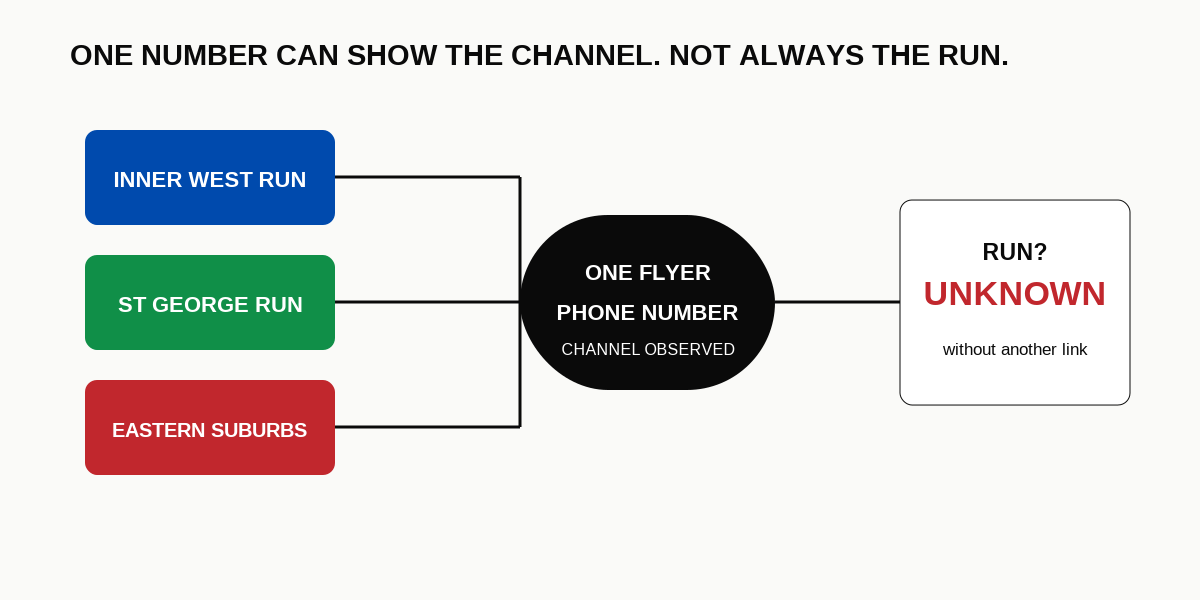
- A dedicated number helps identify flyer calls, but the whole test needs a run, area and date.
- Ask how many responses became suitable, completed and paid jobs.
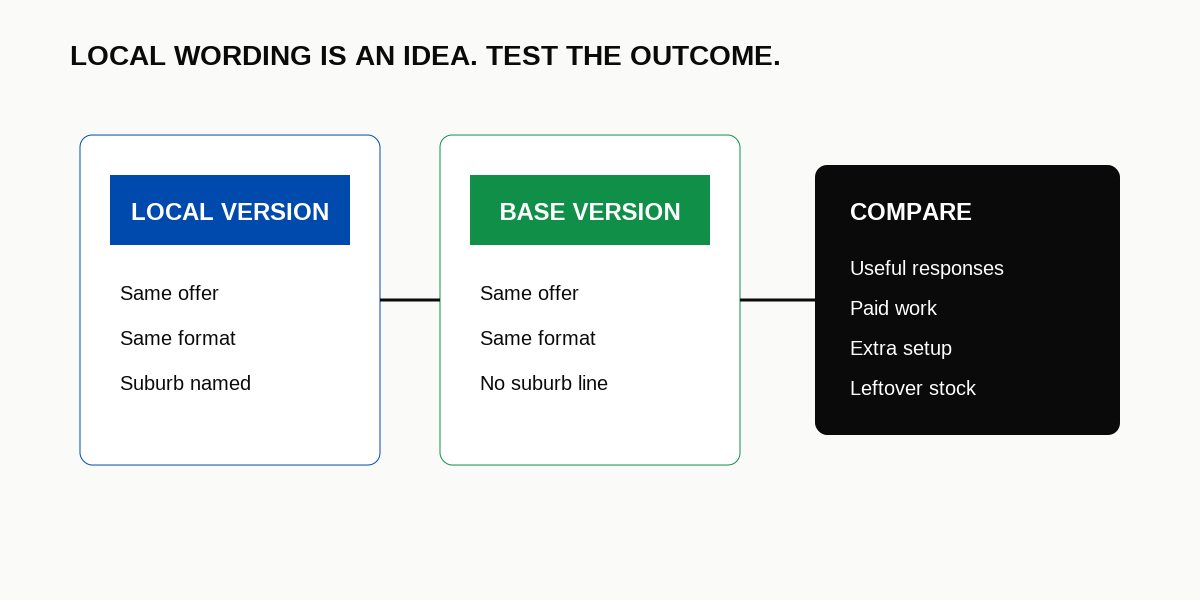
- Compare similar time windows and services.
- Use the result to learn, not to declare that flyers always beat digital channels.
What would a fair flyer test answer?
A fair test asks whether a known delivery run produced observable enquiries and whether those enquiries became useful work. It does not ask whether every job in the area came from the flyer.
Record the artwork version, delivery area, planned dates, delivery evidence and tracked response path before the run starts. Then keep the response window open long enough for a household to act.
What would the electrician example look like?
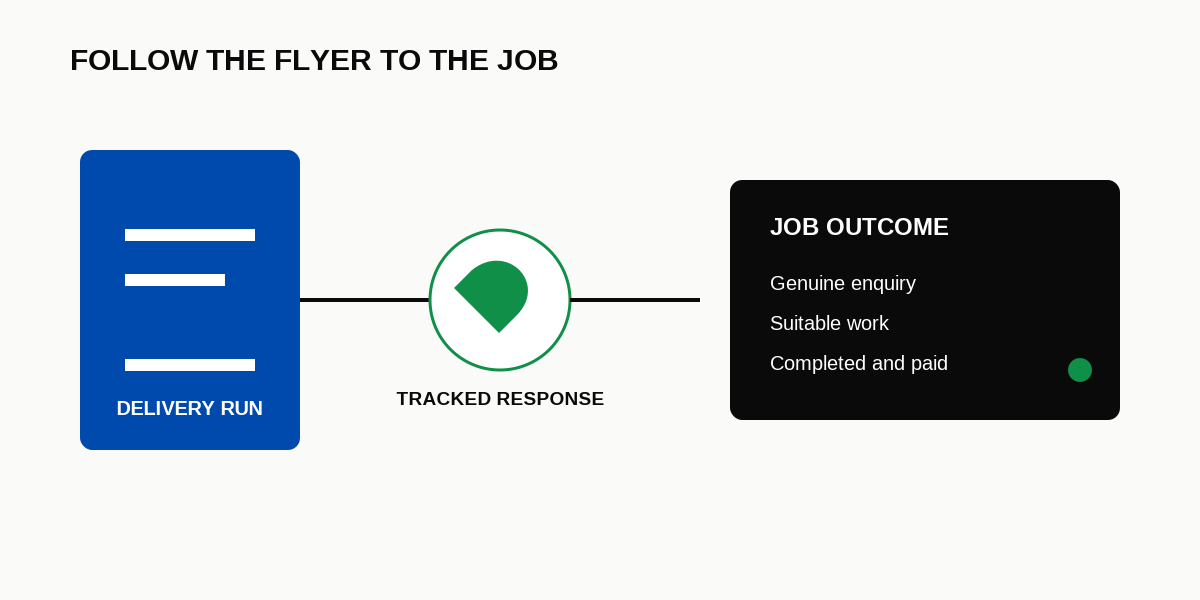
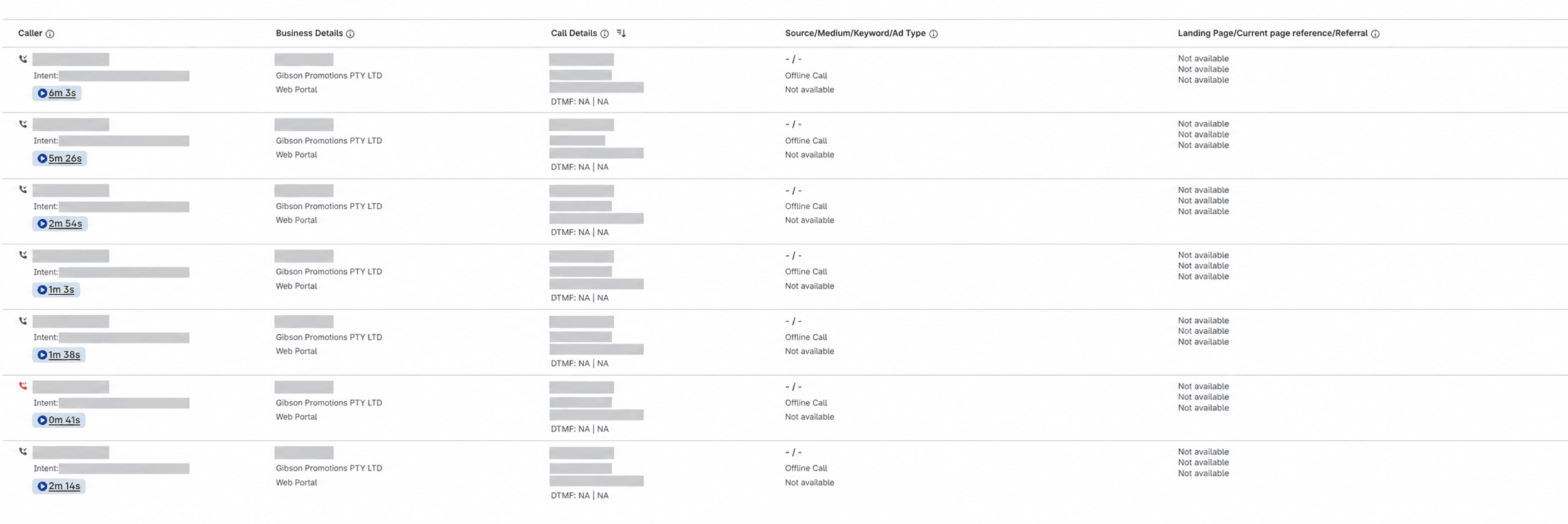
Imagine an electrical business delivering one offer into a defined Sydney catchment. The flyer uses a tracked phone number. The call record shows that a response used the flyer line. The office then records the service request, location and job outcome in its normal system.
The useful result is not calls alone. It is the number of genuine, suitable responses that became booked, completed and paid work, with open and unknown records left visible.
| Part | Record to keep | Common mistake |
|---|---|---|
| Run | Area, quantity, version and delivery dates | Mixing several drops into one result |
| Response | Tracked call or form with date | Counting every local enquiry as flyer response |
| Fit | Service and area suitability | Treating every call as equal |
| Outcome | Booked, completed and paid state | Stopping at the lead |
Why is one good story not enough?
A memorable job can make a campaign feel strong. It is useful evidence that the flyer may have worked, but it does not describe the whole run. The other responses, costs, open jobs and unknowns still matter.
The opposite mistake is also common. A quiet first week does not prove failure if the normal response and buying window is longer. Set the review date before seeing the result.
How do you run the test step by step?
- Give the run a clear name.
- Save the final artwork and delivery map.
- Use a response path that can be observed.
- Train the office to keep the caller's own answer about source when offered.
- Match the response to the normal job record without creating a duplicate opportunity.
- Review suitable, booked, completed, paid, open and unknown outcomes.
- Decide whether to repeat, change, hold or stop the next run.
How does Gibson support the test?
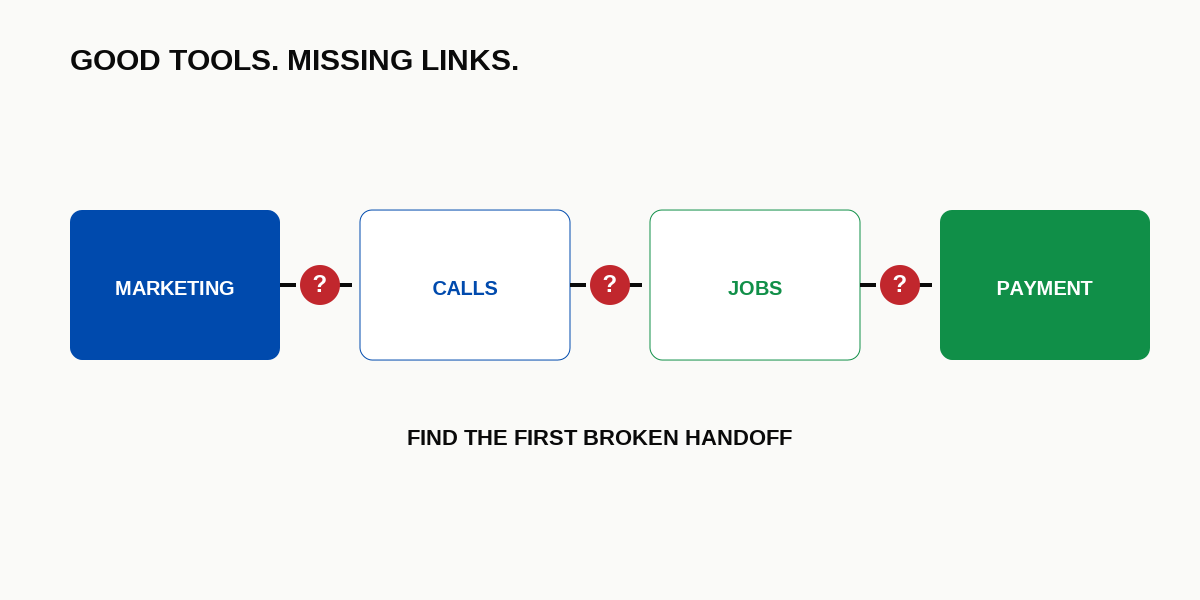
Gibson can plan and deliver a local campaign, provide the agreed tracking path and help connect the available responses to job outcomes. See Sydney letterbox distribution or ask us to close the measurement gaps.
Frequently asked questions
Do I need a different phone number for flyers?
A tracked flyer number can help identify calls from that response path. The right setup depends on the questions, volume and existing number plan.
Can I compare flyer calls with Google leads?
Yes, when the definitions and outcome window are comparable. Keep the source limits visible.
How long should the response window be?
Use a period that fits the offer and normal customer decision. Set it before judging the campaign.
Does a delivery map prove every item was seen?
No. It supports where the run was planned or completed. It does not prove each household read or kept the item.
Sources and evidence
- Australia Post: Campaign Targeter: Australia Post explains how delivery catchments can be planned by radius, custom boundary, suburb, postcode and other reference layers.
- ServiceM8: what job status means: ServiceM8 separates quote, work order, completed and unsuccessful job states. The business still needs a reliable link back to the enquiry source.