What you need to know
- A cheap lead is not automatically a cheap customer.
- Sales time, travel, quoting, rework and slow payment can change the result.
- Compare similar services and locations, not every enquiry in one pile.
- The better question is which source produces work the team wants and can deliver well.
What does a lead really cost?
The ad cost is only the first cost. A real enquiry also uses office time, technical time and travel. A quote may need a site visit. A job may need special parts or another visit. Payment may arrive late.
You do not need a perfect profit model to learn something useful. Start by separating good-fit work from work that creates avoidable effort.
How could two electrical leads produce different value?
Imagine two enquiries. One comes from a low-cost campaign but asks for work outside the normal area. The office answers, checks the job, explains the limit and closes the request. The second costs more to acquire but is in the right area, for a service the team performs often, and becomes a paid job.
The first enquiry was cheaper in the ad report. It was not cheaper for the business. The second is not automatically profitable either, but it has moved further toward the work the business wants.
| Question | Why it matters |
|---|---|
| Was the job in the service area? | Travel and route fit affect delivery cost. |
| Was it a service the team wanted? | Volume is less useful when the work does not fit. |
| Did it need a quote or site visit? | Sales effort differs by job type. |
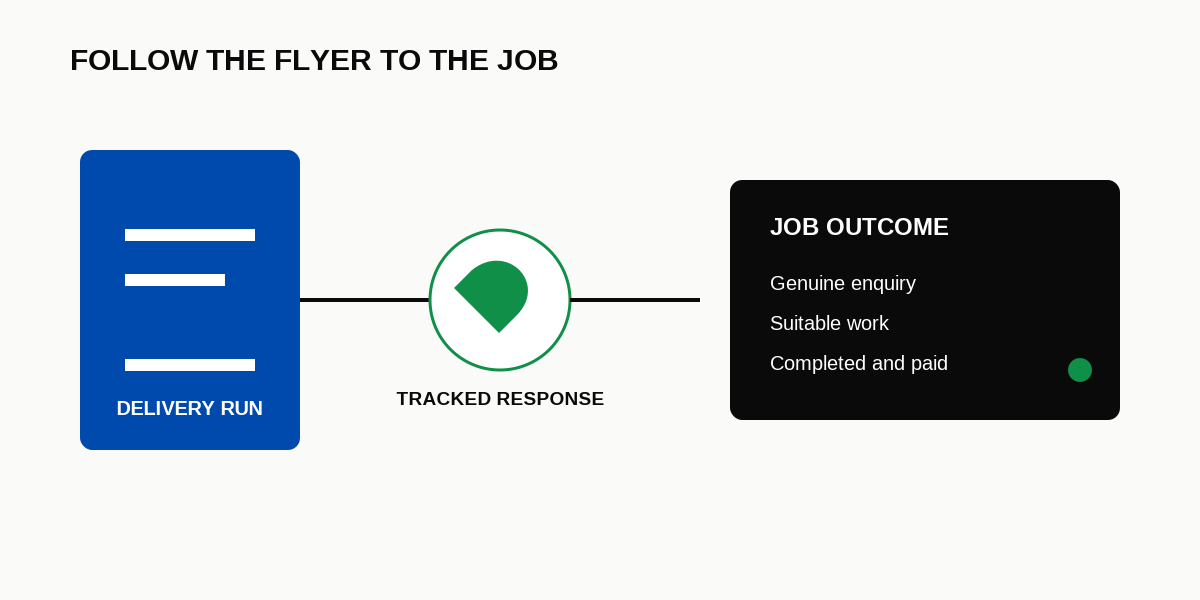
| Was it completed and paid? | An enquiry is not commercial value. |
What common belief should you challenge?
The common belief is that the channel with the lowest lead price should get more budget. That may be right, but the lead price alone cannot prove it. A channel can win the first report and lose when job fit, completion, payment and delivery cost are added.
Do not replace one weak rule with another. A large job is not always a good job. It may have a low margin, a slow payment cycle or a poor fit with current capacity.
How do you run a simple value check?
- Pick one common service and one clear time period.
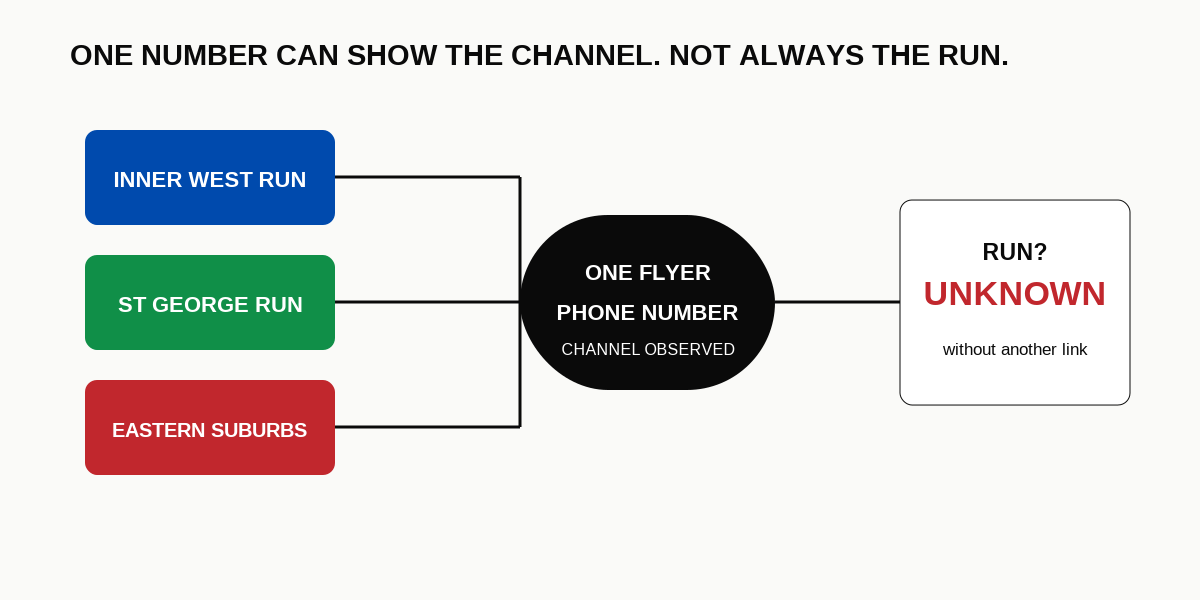
- List genuine enquiries by observed source.
- Mark service fit, area fit and whether the team could take the work.
- Record booked, quoted, accepted, completed and paid as separate states.
- Add known extra effort such as a second visit or long travel.
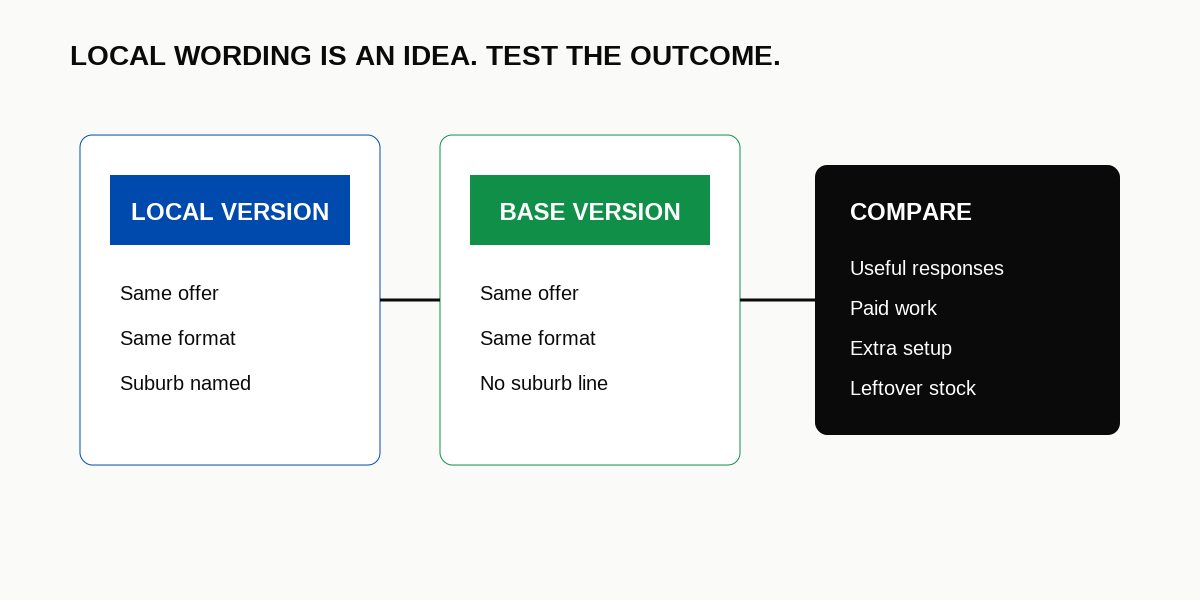
- Compare the pattern, then ask what needs a better record before acting.
“A lead price is a starting number. The job record tells the rest of the story.”
Where can Gibson help?
Gibson helps connect the available marketing, call and job records, shows where the links break and agrees a practical action. See the Blind Marketing method or start with the Close the gaps review.
Frequently asked questions
Does a high lead price always mean poor marketing?
No. It may produce better-fit work, or it may truly be wasteful. Follow the same enquiries to supported job outcomes before deciding.
Should I include staff time in the comparison?
Include material differences you can estimate honestly. Do not pretend a rough allowance is a precise profit figure.
Can job value alone show the best source?
No. Delivery cost, capacity, payment and record quality matter too.
What if jobs take different amounts of time to close?
Compare similar cohorts and allow enough time for a normal decision. Keep still-open work separate.
Sources and evidence
- Google Ads: value-based bidding best practices: Google explains that conversion values should reflect what outcomes are worth to the business and that offline outcomes can be fed back where the setup supports it.
- ServiceM8: life of a job for an electrician business: The worked product guide shows how office staff, field electricians and job records take part in one service workflow.
- ServiceM8: what job status means: ServiceM8 separates quote, work order, completed and unsuccessful job states. The business still needs a reliable link back to the enquiry source.